
In Home Occupational Therapy
helping your child be independent
Personalized In Home Occupational Therapy for Children in Winter Garden FL
Enabling your child’s independence
In Home Occupational Therapy for Children helps kids develop the skills they need for independence, confidence, and success in everyday life — all from the comfort of their own home. Occupational therapy (OT) focuses on building fine-motor skills, sensory processing, coordination, and daily living abilities. When therapy takes place in the home, children are able to practice these skills in the spaces and routines they already know. The familiar environment reduces stress and distraction, making learning more natural and meaningful. It also allows therapists to tailor activities to the child’s real-world needs — whether that’s getting dressed in the morning, using utensils at mealtime, or focusing on homework.
A major benefit of In Home Occupational Therapy for Children is the individualized, one-on-one attention it provides. Each child receives a customized treatment plan created by a licensed pediatric occupational therapist, designed around their developmental goals and family priorities. Therapists may focus on improving hand strength for writing, refining motor coordination for play, or developing sensory regulation strategies for calmer behavior. Because sessions happen in the child’s own environment, the therapist can use familiar toys, furniture, and household items to make activities fun and functional. This approach keeps therapy highly relevant while encouraging children to generalize new skills into daily routines with greater success.
In Home Occupational Therapy for Children is especially effective for addressing sensory challenges and self-care skills. Many children struggle with transitions, textures, sounds, or movements that can affect how they learn and interact. In the home, the occupational therapist can directly observe these triggers and design sensory-friendly strategies that work in real time. The therapist may create a personalized “sensory diet” of calming or stimulating activities that fit naturally into the child’s day — from jumping on a mini-trampoline before homework to squeezing therapy putty during reading time. Working at home also allows for better consistency, since parents can see exactly how to integrate these strategies into family life.
Another powerful advantage of In Home Occupational Therapy for Children is how it empowers parents and caregivers to become active participants. Families are encouraged to watch, learn, and take part in each session so they can reinforce therapy goals between visits. The therapist coaches parents through techniques that promote self-help skills like dressing, brushing teeth, or organizing school materials. Over time, these small daily victories build confidence and independence — not only for the child but for the entire family. The collaborative nature of in-home therapy ensures that everyone involved understands how to support the child’s progress and celebrate each milestone together.
Because the home is often the most accurate reflection of a child’s strengths and challenges, In Home Occupational Therapy for Children provides insight that clinic-based sessions sometimes miss. Therapists can see how furniture layout, lighting, or household routines affect participation and can recommend small environmental adjustments that make a big difference. They might suggest adaptive tools like pencil grips, sensory cushions, or visual schedules to help the child stay organized and focused. These practical changes make therapy results sustainable and ensure that progress continues even when the therapist isn’t present.
Beyond the home, many occupational therapists collaborate with teachers, speech therapists, and other professionals to support a child’s success in school and the community. This coordinated care helps children transfer their new skills to classrooms, playgrounds, and social situations with greater confidence. With consistent communication between caregivers and professionals, In Home Occupational Therapy for Children becomes part of a comprehensive support system designed to nurture every aspect of development.
Ultimately, In Home Occupational Therapy for Children helps children reach their highest potential by meeting them where they are most comfortable — at home. The home setting promotes personalized care, active family involvement, and real-world practice that leads to lasting change. Whether the goal is improving handwriting, strengthening coordination, managing sensory sensitivities, or mastering self-care routines, in-home OT provides the structure, creativity, and compassion children need to thrive. With guidance from skilled therapists and the support of their families, children gain the tools to navigate daily life with confidence, independence, and joy.


Which Occupational Therapy Services Do We Offer in the Home?

Sensory Integration Therapy
Kids may be over-sensitive to sensory input, under-sensitive, or both. We can help.
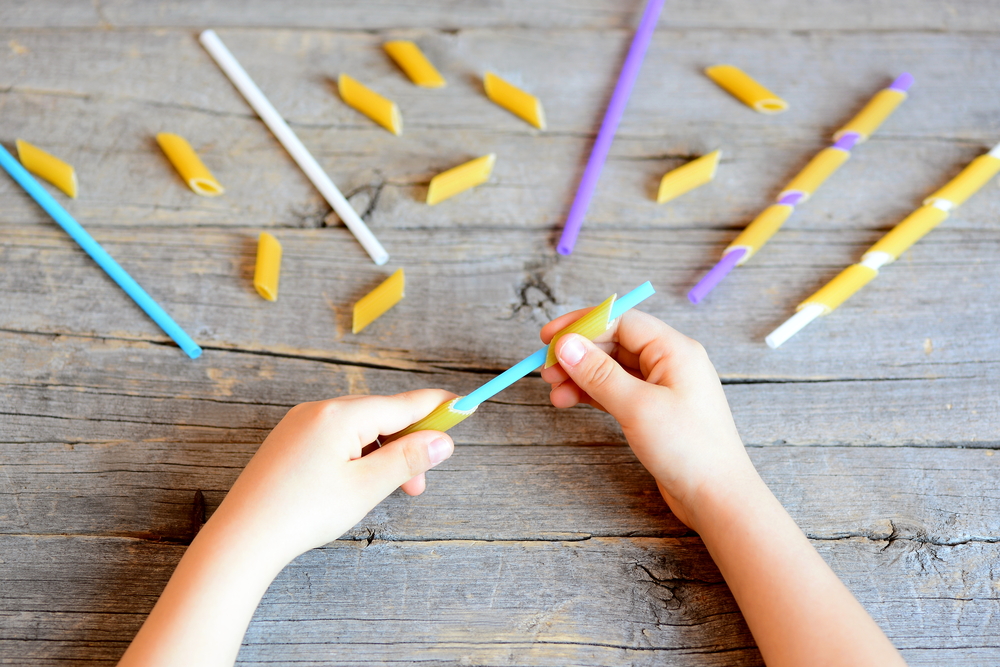
Hand Eye Coordination
Along with balance, hand eye coordination is also another area children need to master in order to get through the day.
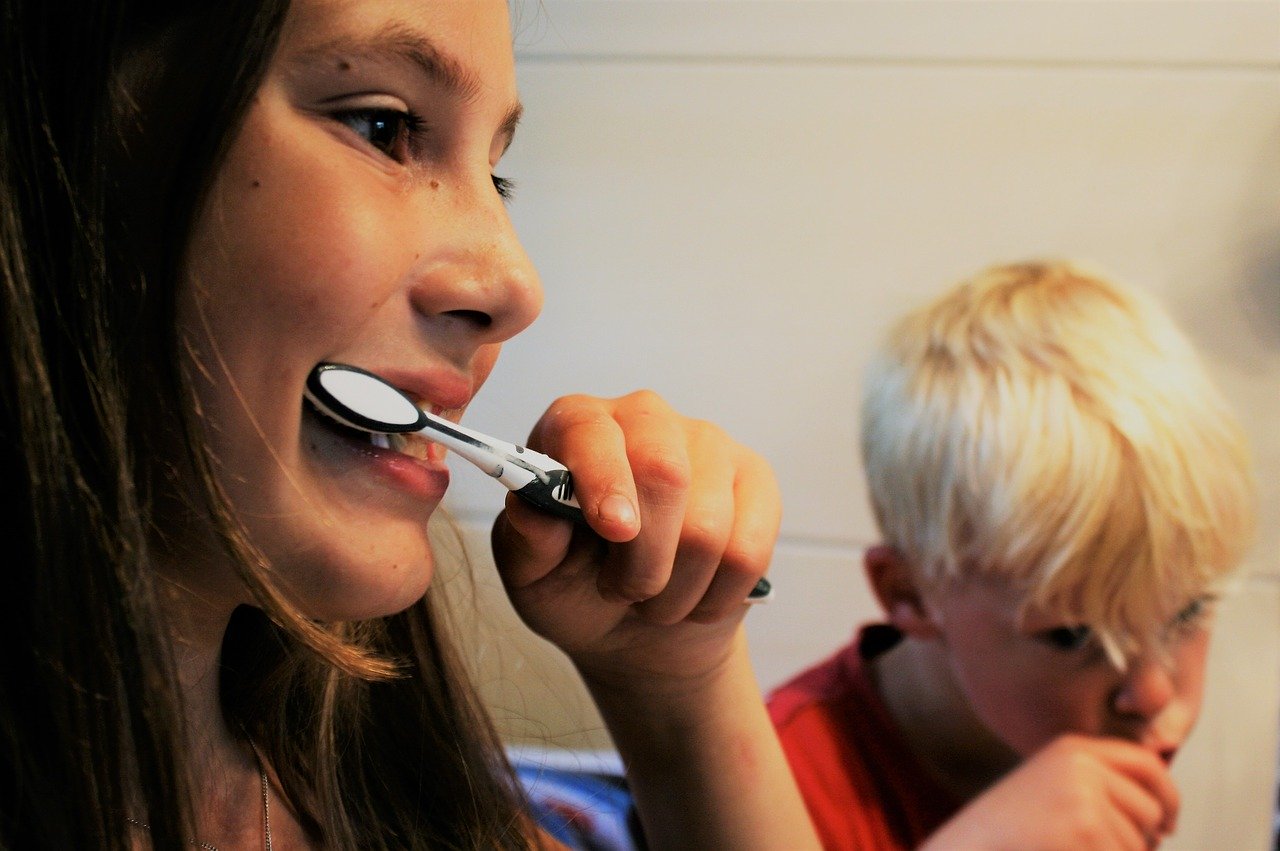
In Home Independence With Self Care Skills
Hygiene, eating, dressing and basic chores are all things a child needs to learn to do on their own.

Handwriting and Drawing Therapy
This training is designed to help with creativity and academics

Balance and Coordination Therapy
You need balance and coordination to do almost everything during the day.

Strength, Endurance, and Range of Motion Therapy
Children need to physically be able to play. This is not just good for their body, but for their mind as well.
REQUEST AN APPOINTMENT
Learn more about our effective speech and communication therapy for children
Fill out the form and we will contact you during our working hours.
To learn more about physical therapy check out this link.
Table of Contents
Toggle